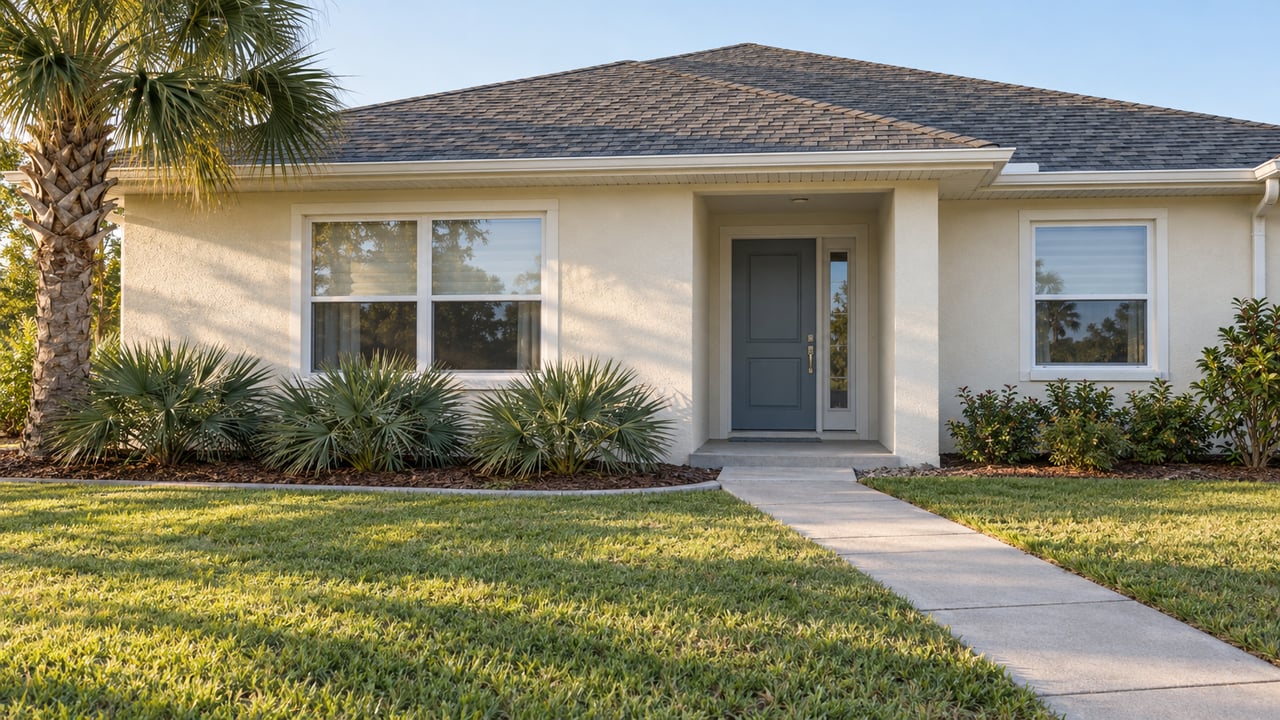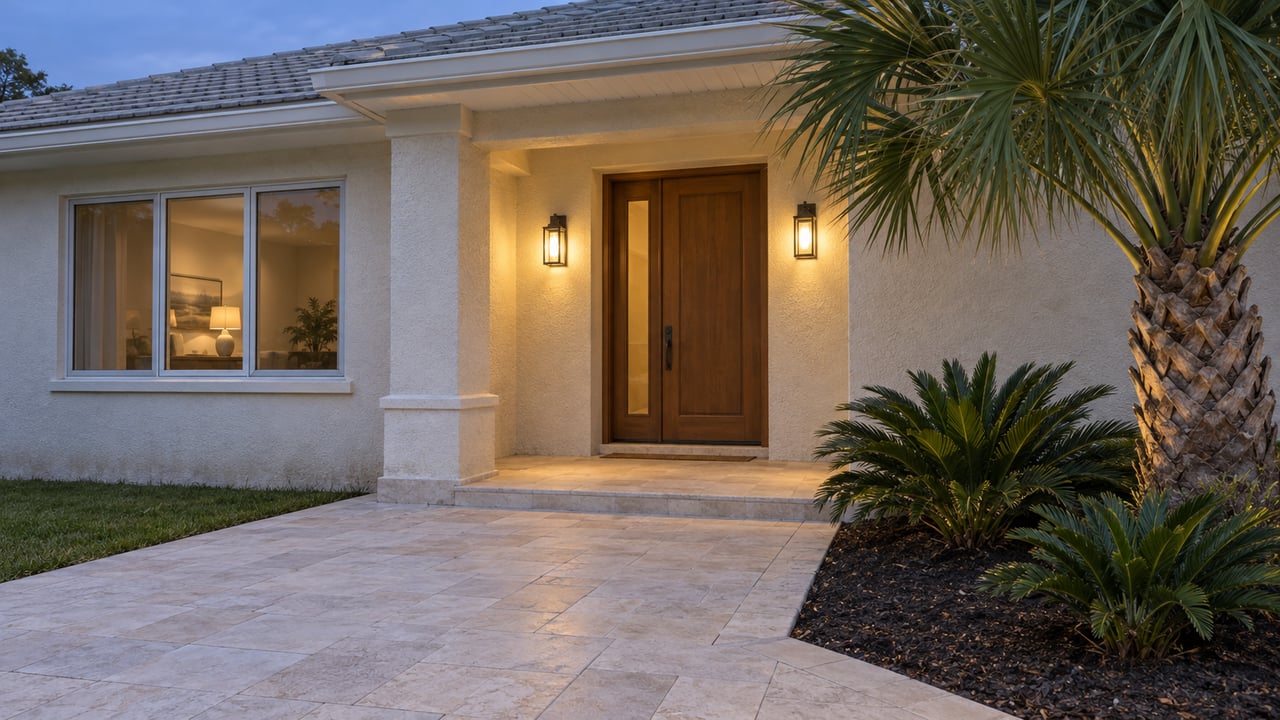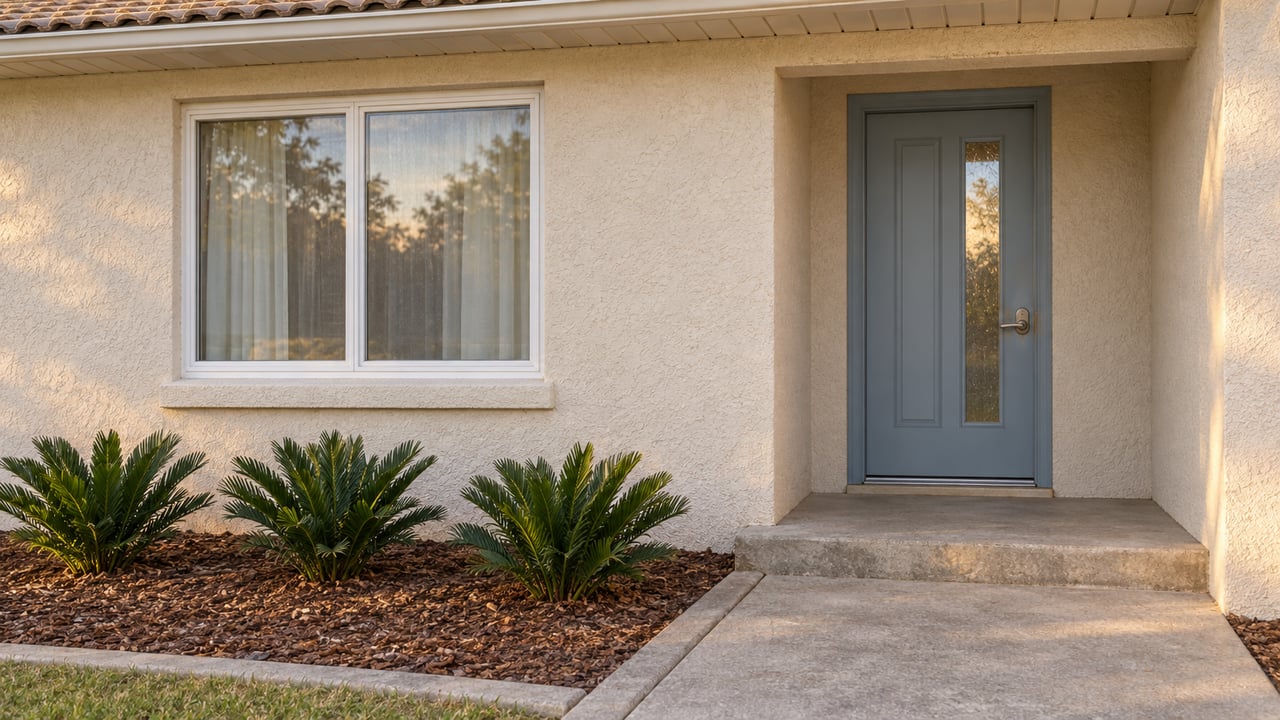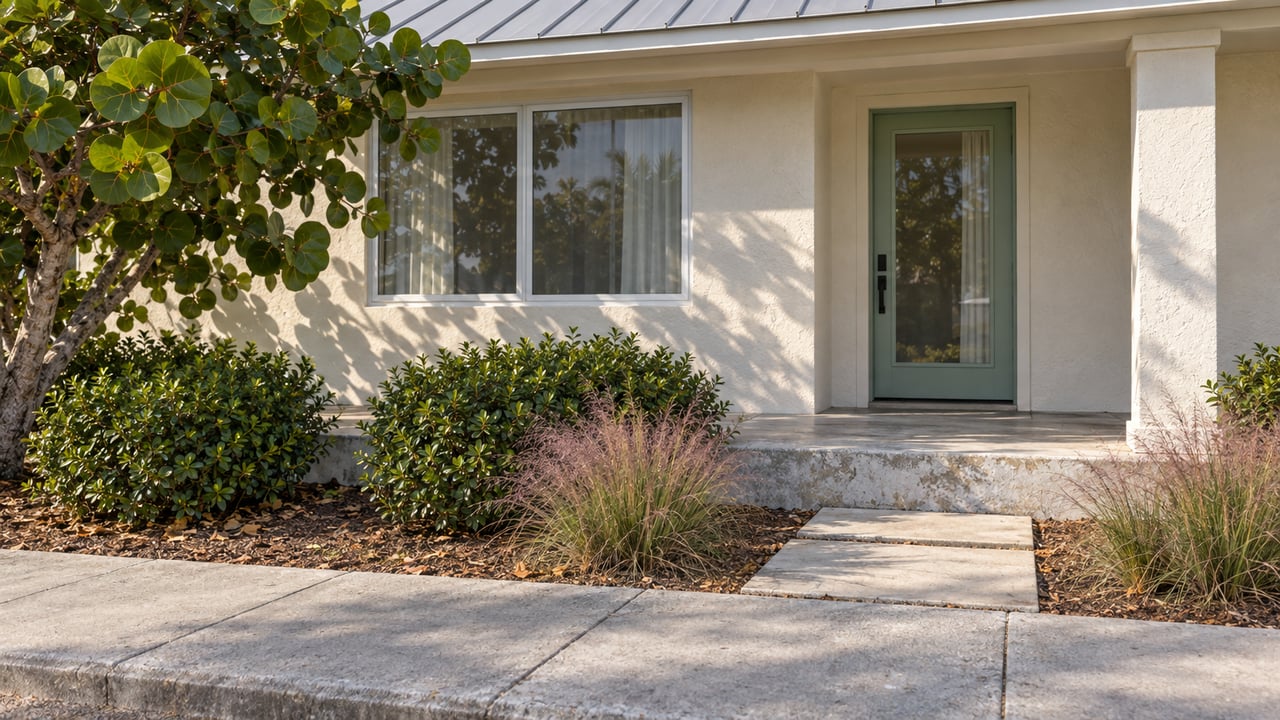
Thinking about moving to Palm Coast from out of town? You are not alone, and you do not have to figure it all out by trial and error. A long-distance move can feel exciting and overwhelming at the same time, especially when you are trying to make smart decisions from afar. This guide will walk you through the local details that matter most so you can relocate to Palm Coast with more clarity, less stress, and a stronger plan. Let’s dive in.
Why Palm Coast Draws Relocating Buyers
Palm Coast sits in Flagler County on Florida’s northeast coast, just south of St. Augustine. The city says nearly 115,000 people live here, making it the largest city in the county by population.
For many buyers, Palm Coast stands out because it offers a mix of coastal access and everyday convenience. The city highlights its 70 miles of saltwater and freshwater canals, the Intracoastal Waterway, and close access to Atlantic beaches, while I-95 and US 1 help with commuting, deliveries, and move-day logistics.
Plan Your Move Early
When you are buying from another city or state, timing matters more than most people expect. The smoothest relocations usually start with a clear timeline and a checklist built around Palm Coast’s local systems.
Start 60 to 90 Days Out
Begin with your full budget, not just your target purchase price. Flagler County’s Property Appraiser offers property search and tax estimator tools, and the office explains that property is valued as of January 1 for tax purposes.
That means it is smart to review taxes early in your search. If you wait until closing to look closely at taxes, you may miss an important part of the home’s long-term cost.
If your move involves school planning, verify assignment by exact address. Flagler Schools uses an address-based zoning system, and its SchoolSite Locator allows families to search by address or neighborhood.
What To Check During Home Search
A beautiful online listing is only the starting point. When you are relocating, your goal is to confirm how a home functions, not just how it looks on screen.
Use Live Virtual Tours Wisely
Live video tours can help you see layout, light, storage, and condition in real time. They also give you a chance to ask practical questions as you go, which is often more helpful than relying only on photos.
During a virtual tour, ask about updates, roof age, additions, fencing, and outdoor features. In Palm Coast, many types of construction, alteration, and repair require permits, and the city provides online permit search tools tied to the property address or permit number.
Verify Permits And Records
Permit history matters, especially if a home has had visible improvements. Remote buyers should confirm whether major items like additions, roof work, fence installation, or other changes were properly permitted.
Palm Coast’s Building Department states that permits are required for construction, alteration, repair, demolition, and similar work. Checking records early can help you avoid surprises later in the process.
Ask About HOA Or Condo Documents Early
If the property is in a homeowners association or a condominium, request documents right away. In Florida, these disclosures are part of the contract process, and timing matters.
For HOAs, a buyer must receive a disclosure summary before signing, and the contract can be voidable if that summary was not delivered in time. If it is an HOA, the association must also issue an estoppel certificate within 10 business days after request.
Palm Coast Utility Details Matter
One of the biggest relocation mistakes is assuming utility setup will be simple and identical to where you live now. In Palm Coast, it helps to understand how local service works before closing.
Set Up Utilities Through Palm Coast Connect
Palm Coast Utilities provides drinking water, wastewater treatment, and reclaimed water. The city also uses the Palm Coast Connect portal for new utility service, billing, and other resident tasks.
For remote buyers, that online access is especially useful. It gives you one official place to start service and manage key account details from any device.
Understand PEP Tank Systems
Some Palm Coast homes use Pretreatment Effluent Pumping, or PEP, tanks. The city notes that these systems rely on electricity to pump waste to the sewer system.
That is an important question to ask before you buy. If a home has a PEP tank, you will want to understand how the system works and what the household should do during a power outage.
Flood And Storm Planning By Address
In coastal Florida, broad assumptions can lead to bad decisions. Flood review and storm planning should always be based on the specific property address.
Check Flood Exposure Carefully
FEMA identifies its Flood Map Service Center as the official source for National Flood Insurance Program flood hazard information. If a home is in a Special Flood Hazard Area, flood insurance is required when the mortgage is government-backed.
This is one of those details that should be reviewed before closing, not after. A property’s exact location can affect both monthly costs and your comfort level as a buyer.
Know Your Emergency Resources
Flagler County Emergency Management provides evacuation zone information, emergency alerts, and guidance for residents who may need special medical or transportation assistance. The city also promotes ALERTPalmCoast alerts and local hurricane preparation resources.
Once you move in, take a few minutes to learn your evacuation zone and sign up for alerts. It is a simple step that can make a big difference when storm season arrives.
Remote Closing Can Be Easier Than You Think
Many buyers assume they must travel back for closing. In Florida, that may not always be necessary if your lender, title company, and documents support a remote process.
Confirm Online Notarization Options
Florida has an online notarization framework in Chapter 117, Part II of the statutes. The Flagler County Clerk also offers eRecording, which allows some documents to be submitted without a courthouse visit.
These tools can make a long-distance closing much more manageable. Still, it is important to confirm early that every party involved in your transaction can support that process.
Keep Contract Items Moving
As closing gets closer, confirm that all required documents have been delivered. That may include HOA estoppel items, condo disclosures, and any lender or title paperwork still in progress.
Treat closing as part of your move plan, not as a separate event. The more organized you are before signing day, the easier your transition into the home will feel.
First Week After Move-In
Your relocation is not over when the deed records. The first week in your new home is the time to get important systems and paperwork in order.
Handle These Tasks First
Focus on the practical items that support day-to-day living:
- Activate water, sewer, and related utility services through Palm Coast Connect
- Confirm any HOA or condo onboarding steps
- Check your evacuation zone and sign up for local alerts
- Organize your property records, utility information, and emergency contacts in one place
If the home will be your primary residence, review homestead exemption requirements right away. Flagler County says eligibility depends on permanent residence, first-time applicants must apply in person, and the filing deadline is March 1 of the qualifying year.
Understand Homestead Basics
Homestead does not transfer automatically from one home to another. That is an important detail for buyers coming from elsewhere in Florida or from out of state.
Flagler County also explains that Florida’s Save Our Homes cap limits annual assessed value increases on homestead property to 3 percent or CPI, whichever is lower. For many buyers, that becomes an important part of long-term planning.
A Simple Relocation Checklist
If you want a practical way to stay on track, use this checklist as a starting point:
- Review your full budget, including estimated property taxes
- Verify school assignment by exact address if needed
- Schedule live virtual tours instead of relying only on listing photos
- Check permit history for major improvements
- Request HOA or condo documents early
- Confirm whether the property has a PEP tank
- Review flood maps by exact address
- Ask about remote closing options with your lender and title company
- Set up utilities before move-in
- Plan for homestead filing if the home will be your primary residence
- Sign up for local emergency alerts after closing
Relocating to Palm Coast can feel much more manageable when you break it into clear steps. With the right guidance, you can make decisions with confidence and avoid the most common long-distance buying mistakes.
If you are planning a move and want a calm, experienced local guide who understands both Palm Coast and the relocation process, Ramona Damian is here to help you take the next step with confidence.
FAQs
How can you buy a home in Palm Coast from out of state?
- You may be able to complete a remote closing in Florida if your lender, title company, and document package support online notarization and the needed recording steps.
How do you set up utilities when relocating to Palm Coast?
- Palm Coast Connect is the city’s official starting point for new utility service, billing, and related resident tasks.
How do you check school zoning for a Palm Coast home?
- Flagler Schools uses an address-based system, so you should verify school assignment by the exact property address.
How do you know if a Palm Coast home may need flood insurance?
- Review the property by exact address using FEMA flood hazard information, then confirm any lender requirements tied to the mortgage.
What should you ask about PEP tanks in Palm Coast?
- Ask whether the property uses a Pretreatment Effluent Pumping tank, because the city says these systems rely on electricity to pump waste to the sewer system.